

By Mahamudul Hasan
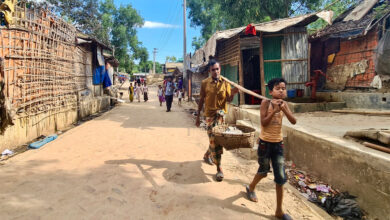
Dhaka : Children in Bangladesh are facing one of the gravest threats from climate change, ranking second among South Asian countries and 15th globally in terms of climate-related risks, according to a new UNICEF report launched on Friday.
The report, titled “The Climate Crisis is a Child Rights Crisis: Introducing the Children’s Climate Risk Index,” is the first of its kind to assess how vulnerable children are to environmental and climate shocks, including cyclones, floods, and heat waves, alongside their access to essential services such as healthcare, education, and clean water.
Pakistan, Bangladesh, Afghanistan, and India have been identified as the four South Asian countries where children are at “extremely high risk” due to climate change. Globally, Pakistan ranked 14th, Bangladesh 15th, Afghanistan 15th, and India 26th. Other countries in the region showed relatively lower risks, with Nepal ranked 51st, Sri Lanka 61st, and Bhutan 111th.
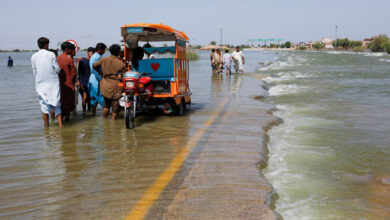
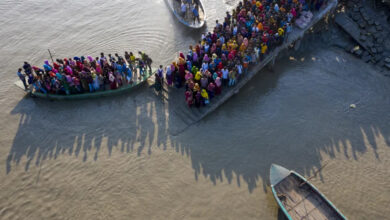
South Asia is considered one of the most climate-vulnerable regions in the world. Every year, extreme weather events—including floods, droughts, storms, and rising temperatures—affect more than half of the population. UNICEF warns that these disasters often strike back-to-back, undermining recovery efforts and trapping communities in cycles of crisis.
“Droughts, floods, air pollution, and river erosion across the region have left millions of children homeless and hungry, and without any healthcare and water,” said George Laryea-Adjei, UNICEF Regional Director for South Asia. “For the first time, we have clear evidence of the impact of climate change on millions of children in South Asia.”
Globally, around 1 billion children live in one of the 33 countries categorized as “extremely high-risk” in the UNICEF index, underscoring the urgent need for stronger climate action and investments in child-focused resilience.

4 Comments